
Nobody talks about the anger.
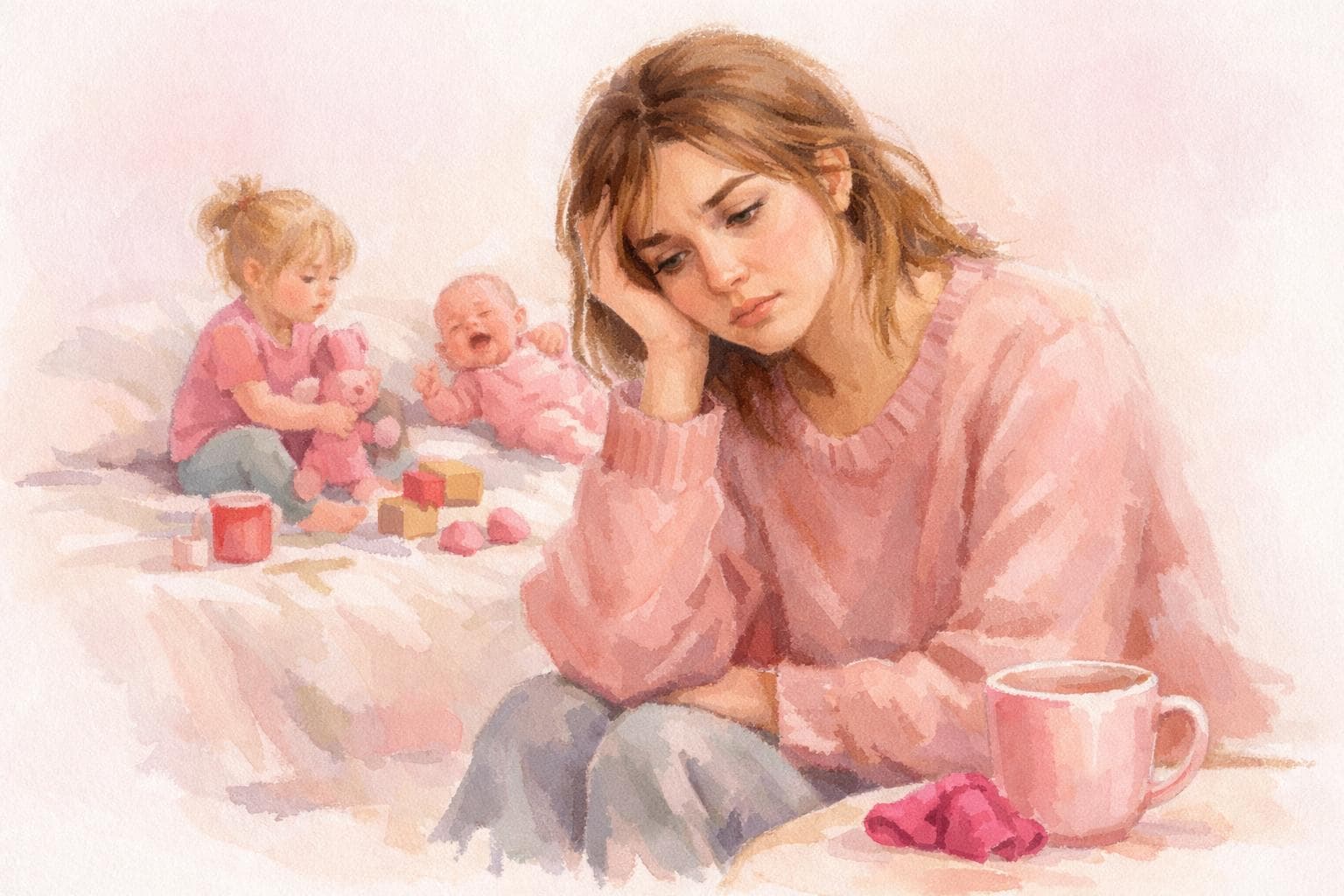
They talk about the tears, the baby blues, the exhaustion that doesn't lift. But the anger, that specific, scorching fury that arrives out of nowhere over something small, tends to stay in the room where it happened. Unmentioned. Followed by shame. Then by the quiet fear that something might be wrong with you.
Postpartum rage is real. It is more common than most new mothers know. And it deserves a more honest conversation than it usually gets.
What postpartum rage actually is
Postpartum rage is a term used to describe intense, disproportionate anger in the months following childbirth. It can look like an explosion over a small frustration: the wrong kind of help offered at the wrong moment, a comment from a partner that lands badly, something spilled when everything already feels too full.
It often arrives alongside other postpartum symptoms but can also appear on its own, without the persistent sadness most people associate with postpartum mood disorders. That's part of why it gets missed.
A growing body of research identifies anger as a core but underrecognised symptom of postpartum depression and anxiety. A 2021 study published in Archives of Women's Mental Health found that irritability and anger were among the most commonly reported symptoms in mothers with postpartum depression, yet were significantly less likely to be screened for or identified in clinical settings than sadness or low mood.
In other words: postpartum rage is often depression or anxiety wearing a different costume.
Why it happens
The triggers are real. The response to them is amplified by specific postpartum conditions.
Hormonal shifts. The drop in oestrogen and progesterone after birth is one of the fastest hormonal changes in human biology. These hormones directly regulate mood and emotional reactivity. When they fall suddenly, the nervous system becomes significantly more reactive.
Sleep deprivation. Chronic sleep loss reduces the prefrontal cortex's ability to regulate the amygdala, the brain's threat-detection centre. In simple terms: a tired brain is a reactive brain. Triggers that would have been manageable before become genuinely difficult to contain.
Sensory overload. Being needed physically and emotionally, constantly and without pause, creates a cumulative sensory and emotional load. Many mothers describe the rage arriving not at a specific event but at the moment they simply have nothing left.
Unmet needs with no language. When what you need is not being seen, and when you haven't had the space or permission to articulate it, the body finds another way to signal that something is wrong.
7 things that actually help
Not suggestions that assume you have time or energy to spare. Practical interventions that work within real conditions.
1. Name it before it escalates. When you feel the pressure building, saying out loud, even just to yourself, "I'm about to lose it" gives the thinking brain a moment to catch up. Research by Matthew Lieberman at UCLA found that labelling an emotional state reduces its intensity measurably. You're not suppressing the anger. You're creating a small pause.
2. Leave the room before you need to. Not as avoidance. As regulation. A brief physical exit, even thirty seconds, breaks the sensory loop that's feeding the rage. Come back when the spike has passed. Brief predictable distance is not the same as abandonment.
3. Move your body. The stress hormones driving the rage need somewhere to go. A short walk, a run, even aggressive washing up: physical movement is one of the fastest ways to complete the stress cycle that the anger is signalling. Emily and Amelia Nagoski's research in Burnout (2019) describes this mechanism clearly.
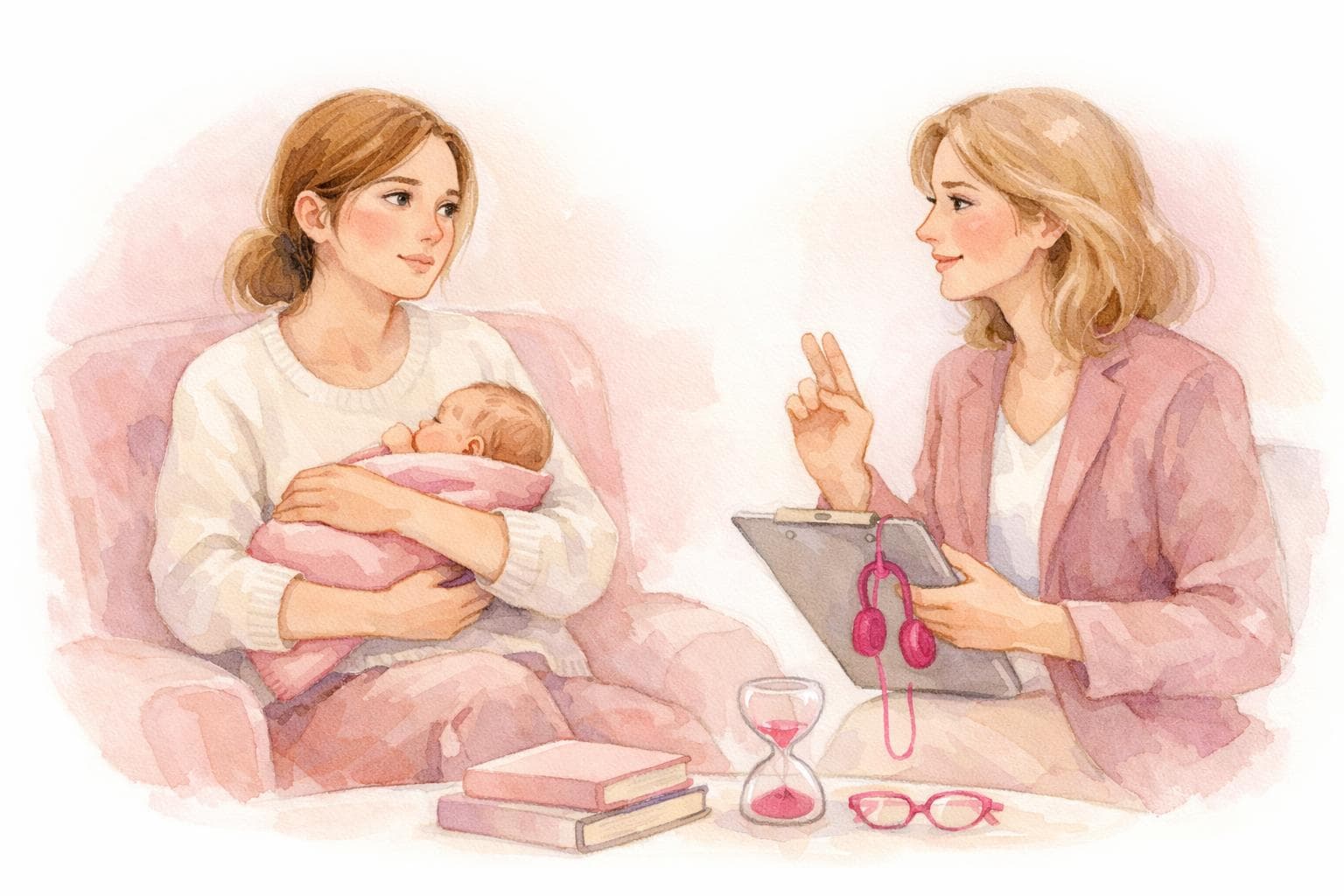
4. Ask your GP about it specifically. Many mothers describe rage to their GP as general irritability or stress, and it does not get properly assessed. Saying "I'm having episodes of intense anger that feel disproportionate" is specific enough to prompt a proper postpartum mental health assessment.
5. Reduce the sensory load where possible. If touch is a significant trigger, naming that clearly with your partner matters. If certain kinds of noise or demand from the children are accelerating the threshold, identifying that is the beginning of managing it.
6. Sleep, where any kind of additional sleep is obtainable. Even one additional block of sleep per night produces measurable improvements in emotional regulation. This is not always possible. When it is, it should be prioritised.
7. Repair without extended self-punishment. When the rage has happened and you've reacted in a way you regret, a brief and genuine acknowledgment is enough. "I got very angry and I shouldn't have. I'm sorry." Prolonged self-criticism depletes the very resources you need for the next difficult moment.
When to seek help
Signs it may be more than adjustment | What to do |
|---|---|
Rage episodes are frequent and not improving | Speak to your GP this week |
The anger frightens you or others | Seek urgent support through your GP or midwife |
It's accompanied by low mood, numbness or anxiety | Ask for a full postpartum mental health assessment |
You're having thoughts of harming yourself or others | Contact a crisis line or go to A&E immediately |
A note on shame
Postpartum rage is not evidence of being a bad mother. It is evidence of a nervous system under significant stress, with limited resources for regulation.
"You are not your anger. You are the person who gets to decide what to do with it." - Unknown
If the anger is sitting on top of something that feels more like depression, how to cope with postpartum depression: getting help without the shame is worth reading. And if you recognise yourself in the description of triggers but haven't yet named what's underneath them, mom rage: why you feel it and what to do about it approaches the same territory from a slightly wider angle.
You are allowed to feel this. You are also allowed to get help with it.
If you are in crisis, contact your GP or midwife immediately. UK: Samaritans 116 123. US: 988 Suicide and Crisis Lifeline. PSI: postpartum.net
Further reading: Karen Kleiman & Valerie Raskin, This isn't what I expected (2013). Emily and Amelia Nagoski, Burnout (2019). Harriet Lerner, The dance of anger (1985).