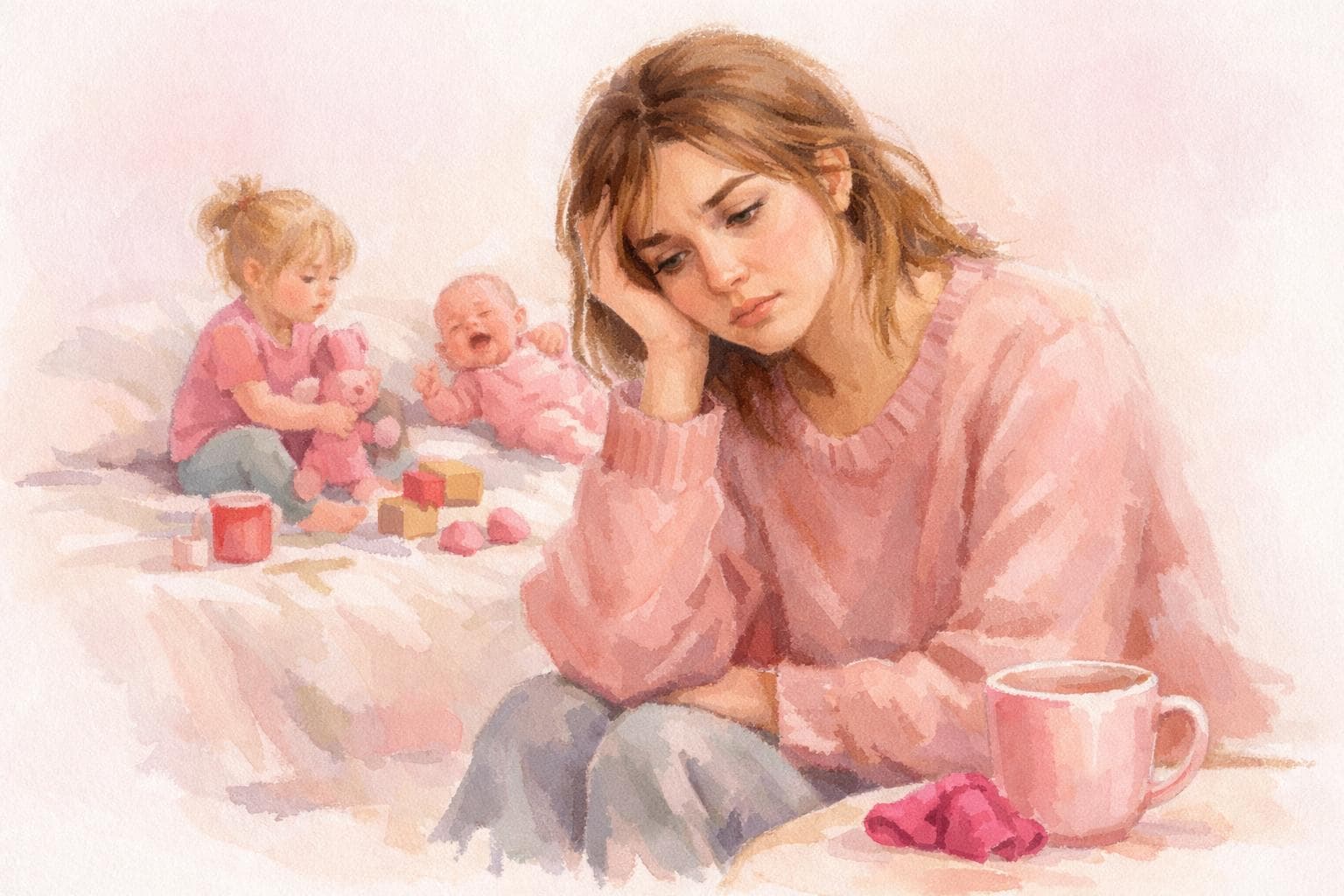
You slept. You sat down. You even had a quiet hour. And still you wake up the next morning feeling like none of it happened.
This is not ordinary tiredness. Ordinary tiredness has a cause you can point to and a solution that works. You did too much, you rested, it passed. What happens when the tiredness does not pass after resting is a different thing entirely. It is a signal that deserves a different question.
For mothers in particular, the persistence of exhaustion despite adequate rest tends to have specific causes, most of which go unaddressed because the tiredness is assumed to be simply part of the territory.
It is not.
Why rest sometimes does not restore you
Rest restores you when the thing producing the depletion has paused long enough for recovery to happen. When the thing producing the depletion is not primarily physical, rest alone does not reach it.
Research by Emily and Amelia Nagoski, whose work on the stress cycle has influenced how many practitioners understand chronic exhaustion, describes what they call "incomplete stress cycles." When the nervous system encounters a stressor and then never fully discharges the physiological response to that stressor, the stress remains in the body as a form of chronic tension that sleep and rest do not resolve. The body has rested but the stress response has not completed. The tiredness continues.
For mothers the chronic nature of parenting demands means that most days are a series of incomplete stress cycles. The demand arrives. You respond. The demand is temporarily resolved. Another one arrives. At no point in the day does the nervous system register that the threat is fully over, that recovery is now safe. So it stays on.
Horizontal time, even quality sleep, addresses the physical component. It does not address the neurological one.
Other causes worth knowing about
Tiredness that persists despite rest should not be attributed entirely to the psychological without ruling out physical causes first.
Iron deficiency. The most common nutritional deficiency in women of reproductive age. Symptoms include fatigue that is disproportionate to activity level, brain fog, difficulty concentrating and low mood. A simple blood test measuring ferritin levels can identify or rule this out. Worth asking your GP for specifically rather than relying on a standard blood count alone.
Thyroid dysfunction. Hypothyroidism an underactive thyroid is more common in women and can be triggered or exacerbated by pregnancy and the postpartum period. Symptoms overlap almost entirely with general exhaustion: fatigue, weight gain, feeling cold, low mood and slow cognition. A blood test measuring TSH and free T4 will identify this.
Vitamin D deficiency. Particularly relevant in northern climates. Deficiency is associated with fatigue, low mood and reduced immune function. The NHS recommends supplementation for all adults in the UK between October and March.
Disrupted sleep quality. You may be spending adequate time in bed but not achieving the restorative deep sleep and REM sleep that physical and cognitive recovery requires. Alcohol screens before bed and high cortisol from chronic stress all impair sleep architecture in ways that produce the feeling of having slept without having properly rested.
Postpartum depression or anxiety. Both conditions produce physical exhaustion as a core symptom, not just emotional distress. Tiredness that is accompanied by low mood, persistent worry, numbness or loss of interest in things you used to enjoy warrants a conversation with your GP rather than simply more rest.
What emotional exhaustion looks like
Emotional exhaustion is a specific form of depletion that does not respond to physical rest. It is produced by sustained emotional labour, the management of your own feelings in order to be available for others, without adequate emotional recovery.
Signs that what you are experiencing is emotional rather than purely physical exhaustion:
- You feel drained by interactions rather than restored by them
- Empathy feels harder to access than it used to
- Small frustrations produce disproportionate responses
- You go through the motions of daily life without genuine engagement
- Rest makes you less tired but does not make you feel like yourself
This distinction matters because the interventions are different. Physical tiredness responds to sleep. Emotional exhaustion responds to emotional recovery: genuine connection, time that belongs entirely to you, processing of things that have been left unprocessed.
What to do if you are always tired
Type of tiredness | What tends to help |
|---|---|
Physical depletion | Consistent sleep, nutrition (especially iron and protein), gentle movement |
Stress-cycle fatigue | Physical activity that completes the stress response, genuine downtime |
Emotional exhaustion | Connection, processing, genuine solitude and time that is not productive |
Nutritional deficiency | Blood tests, targeted supplementation guided by results |
Sleep quality issues | Screen-free hour before bed, consistent wake time, reduced evening alcohol |
Mood disorder related | GP assessment, appropriate treatment rather than more rest |
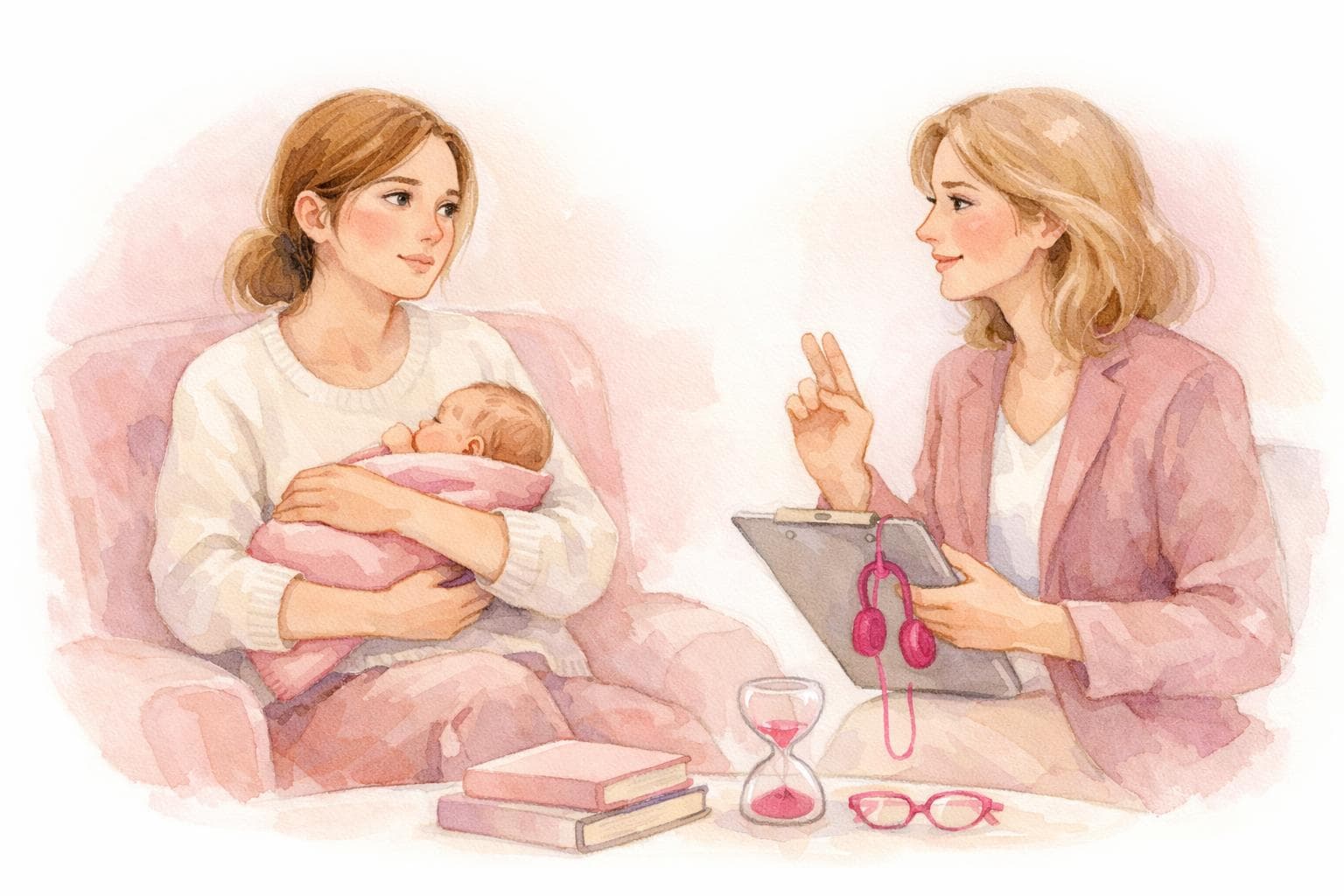
The most important practical step if rest is consistently not restoring you is a blood test with your GP. Iron, thyroid function and vitamin D are all easily checked and frequently overlooked. If those come back clear, the conversation about emotional exhaustion and whether the quality of your rest is adequate is the next one worth having.
"Fatigue is often not a sign that you need more rest. It is a sign that something is not being adequately restored." - Unknown
If what you are experiencing sits closer to the emotional end of the spectrum, emotional exhaustion in motherhood: what it really means maps the specific experience of that in the context of motherhood. And if the question of how to rest differently is where you are, the difference between rest and recovery (and why moms need both) addresses the distinction that makes the biggest practical difference.
You are not supposed to feel like this indefinitely. That is worth repeating.
Further reading: Emily and Amelia Nagoski, Burnout: the secret to unlocking the stress cycle (2019). Matthew Walker, Why we sleep (2017). NHS: tiredness and fatigue.