Motherhood is often portrayed as instinctive, joyful, and deeply fulfilling. And while love for a child can be powerful and undeniable, it doesn’t protect mothers from feeling stretched thin. For many women, motherhood feels overwhelming not because they are ungrateful but because the emotional and mental load is heavier than anyone prepared them for.
You can love your child completely and still feel exhausted by the responsibility that never truly pauses.
Why motherhood feels overwhelming in modern life
Today’s mothers are raising children in a world that expects constant availability, emotional regulation and self-sacrifice often without adequate support. Feeling overwhelmed as a mom has become increasingly common, especially when motherhood exists alongside work, financial pressure, and social expectations.
Many mothers carry:
- continuous mental load and decision fatigue
- responsibility for emotional well-being their child’s and everyone else’s
- pressure to enjoy every moment
- guilt for wanting time alone
This combination makes overwhelm not an exception, but a natural response.
Why motherhood is hard in ways people rarely talk about
When discussing parenting challenges, conversations often stop at sleep deprivation or logistics. But why motherhood is hard goes much deeper.
Motherhood alters identity, autonomy, and personal boundaries. It requires emotional labor that is constant and invisible. There is no true off-duty mode even during rest, a mother’s mind remains alert.
This sustained level of responsibility is mentally demanding especially when emotional needs go unmet.
Emotional overwhelm in motherhood builds quietly
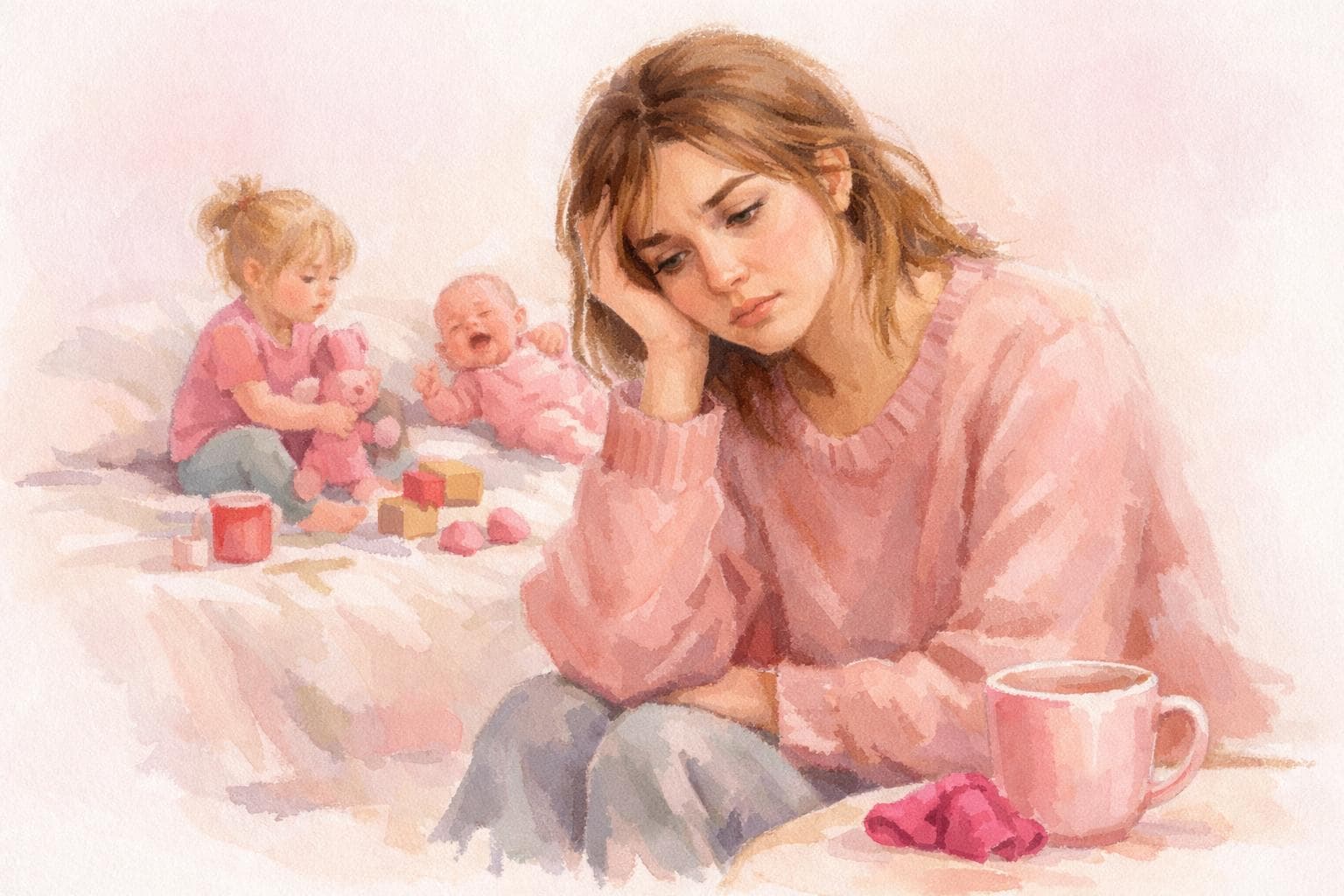
Emotional overwhelm in motherhood doesn’t always look dramatic. Many mothers continue functioning, showing up and caring while feeling depleted internally.
Signs may include:
- feeling emotionally numb or irritable
- crying easily or feeling overwhelmed by small tasks
- difficulty concentrating
- feeling disconnected from yourself
Because these feelings develop gradually they are often normalized or ignored until exhaustion becomes unavoidable.
Loving your child but feeling overwhelmed is more common than you think
One of the most misunderstood experiences of motherhood is loving your child but feeling overwhelmed by the role itself.
This emotional duality can be confusing and painful. Mothers may worry that overwhelm means they are failing or that something is wrong with them. In reality, love and overwhelm are not opposites they coexist when care exceeds capacity.
You can cherish your child and still need space, rest, and support.
Motherhood stress and the cost of unrealistic expectations
Motherhood stress is intensified by cultural narratives that glorify endless patience and self-sacrifice. Mothers are expected to adapt without complaint while their emotional needs are often minimized.
Without strong support systems this stress accumulates over time showing up as burnout, anxiety or emotional withdrawal. The problem is not motherhood itself it’s the lack of sustainable structures around it.
You are not failing. You are overloaded
If motherhood feels overwhelming, it doesn’t mean you lack love, resilience or gratitude. It means you are navigating an emotionally demanding role in a system that often expects too much from mothers and offers too little in return.
Acknowledging overwhelm is not weakness. It is awareness. And awareness creates space for compassion for yourself.
You don’t need to love every moment of motherhood to be a good mother.
You only need honesty, support and permission to be human.