Losing yourself in motherhood and relationships and why it's more common than you think
It starts so gradually you barely notice it happening.
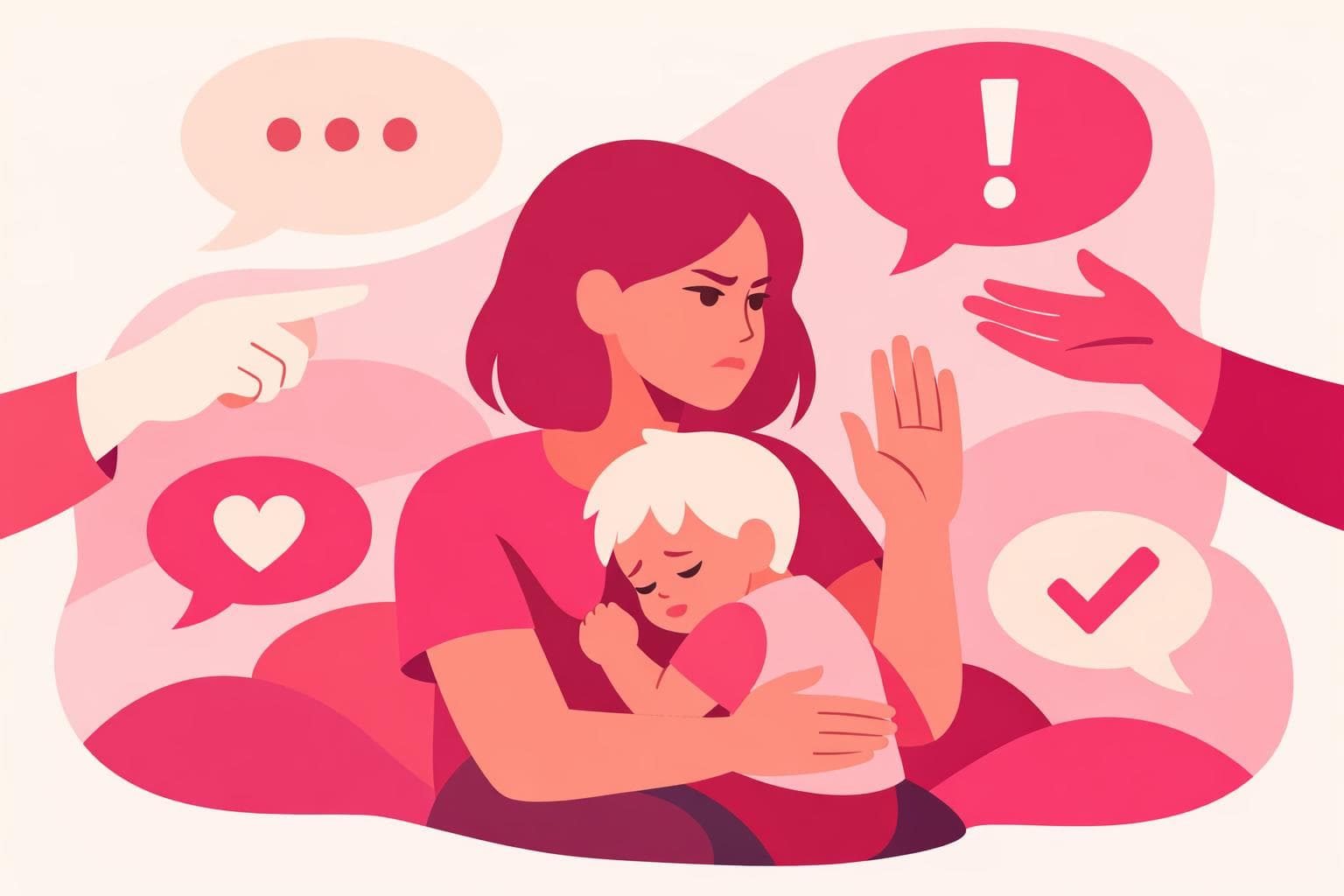
First you stop making plans that are purely yours. Then you start answering "what do you want?" with whatever is easiest rather than whatever is true. Then one day someone asks about your interests, your opinions, your inner life and you realize you've been running on someone else's schedule for so long that you're not entirely sure what the honest answer is.
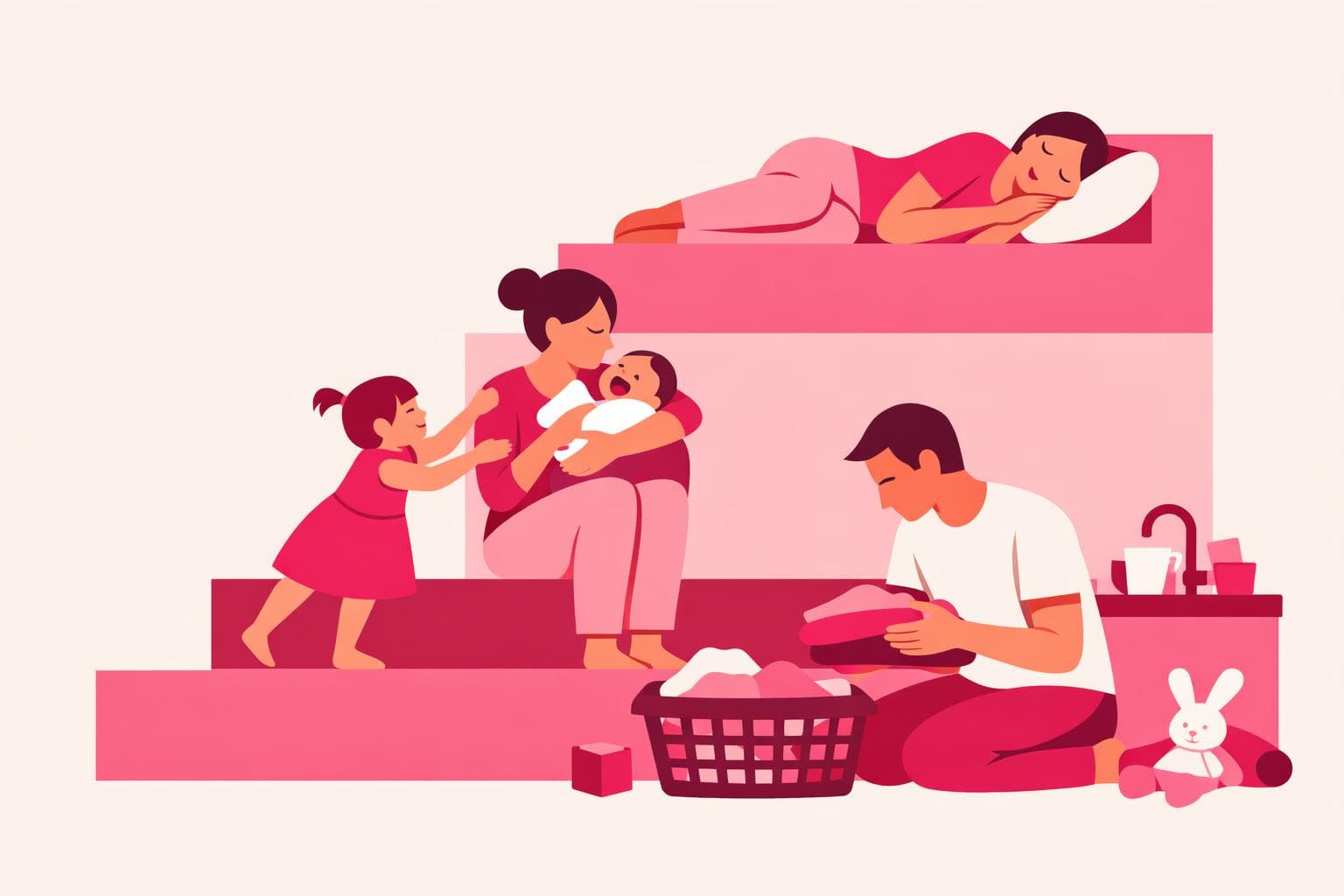
This is what losing yourself in motherhood and relationships looks like. Not a dramatic collapse. A quiet erosion. The kind that happens in the margins of ordinary days, across months and years, until the version of you that's left feels more like a function than a person.
It's far more common than most mothers admit. And it's worth talking about honestly.
When love and loss of self happen at the same time
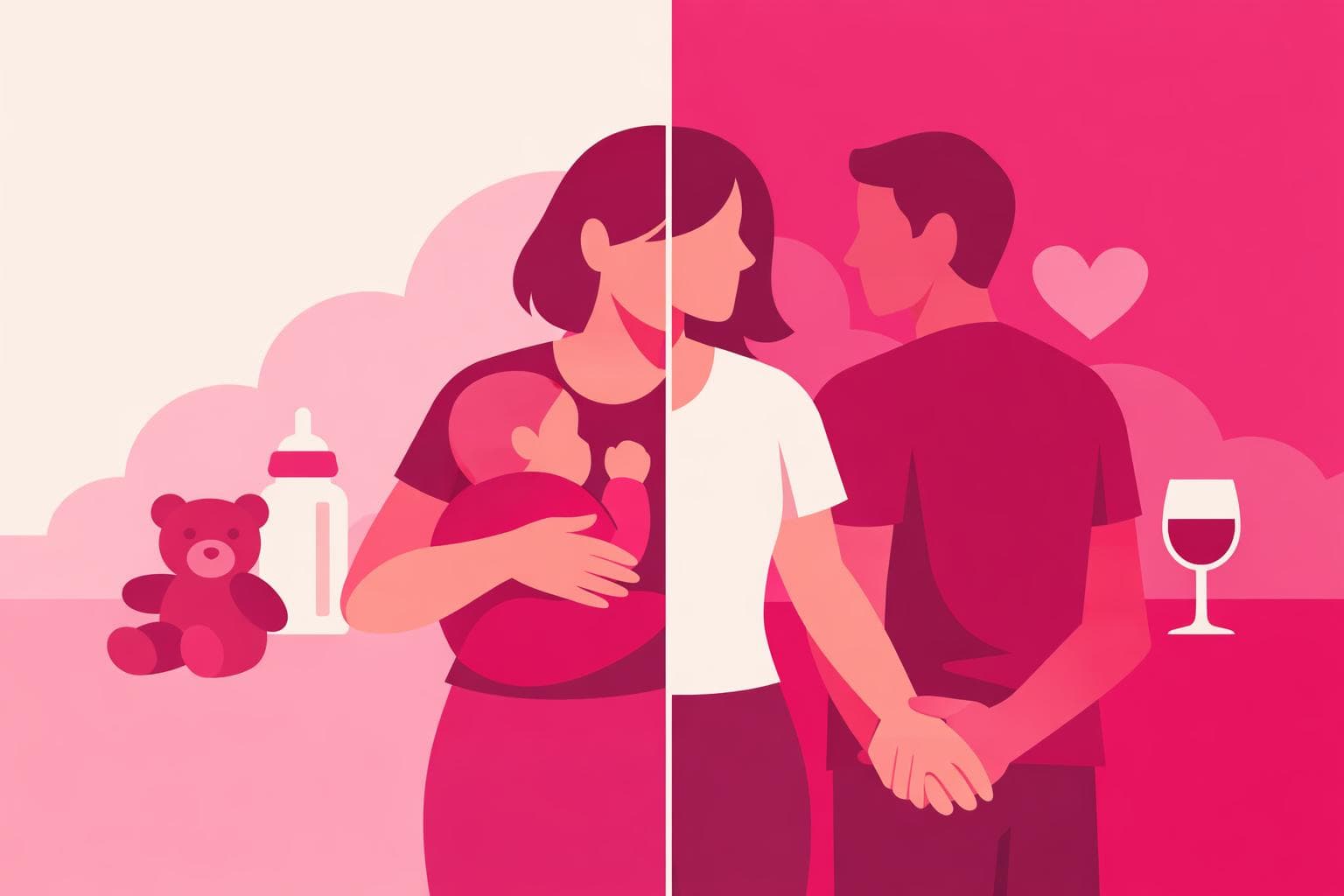
There's a painful paradox at the center of this: you can love your children and your partner deeply, genuinely, with your whole chest and still feel that you have disappeared inside those relationships. Both things are real, and neither cancels out the other.
Psychotherapist and author Terri Apter, in her research on women's identity across life transitions, found that women who became primary caregivers were significantly more likely to experience what she called "self-continuity disruption" a disconnection from the thread of personal identity they had maintained before. This wasn't about ambivalence toward their families. It was about the structural reality of what intensive caregiving demands: that your attention, your energy, and your sense of self consistently orient around others.
When that orientation becomes total when there is no version of the day, or the week, or the month that belongs to you the self doesn't disappear exactly. It goes underground. And underground selves have a way of surfacing in unexpected ways: as irritability, as disconnection, as a grief you can't quite name.
The relationship dimension: when you lose yourself for a partner too
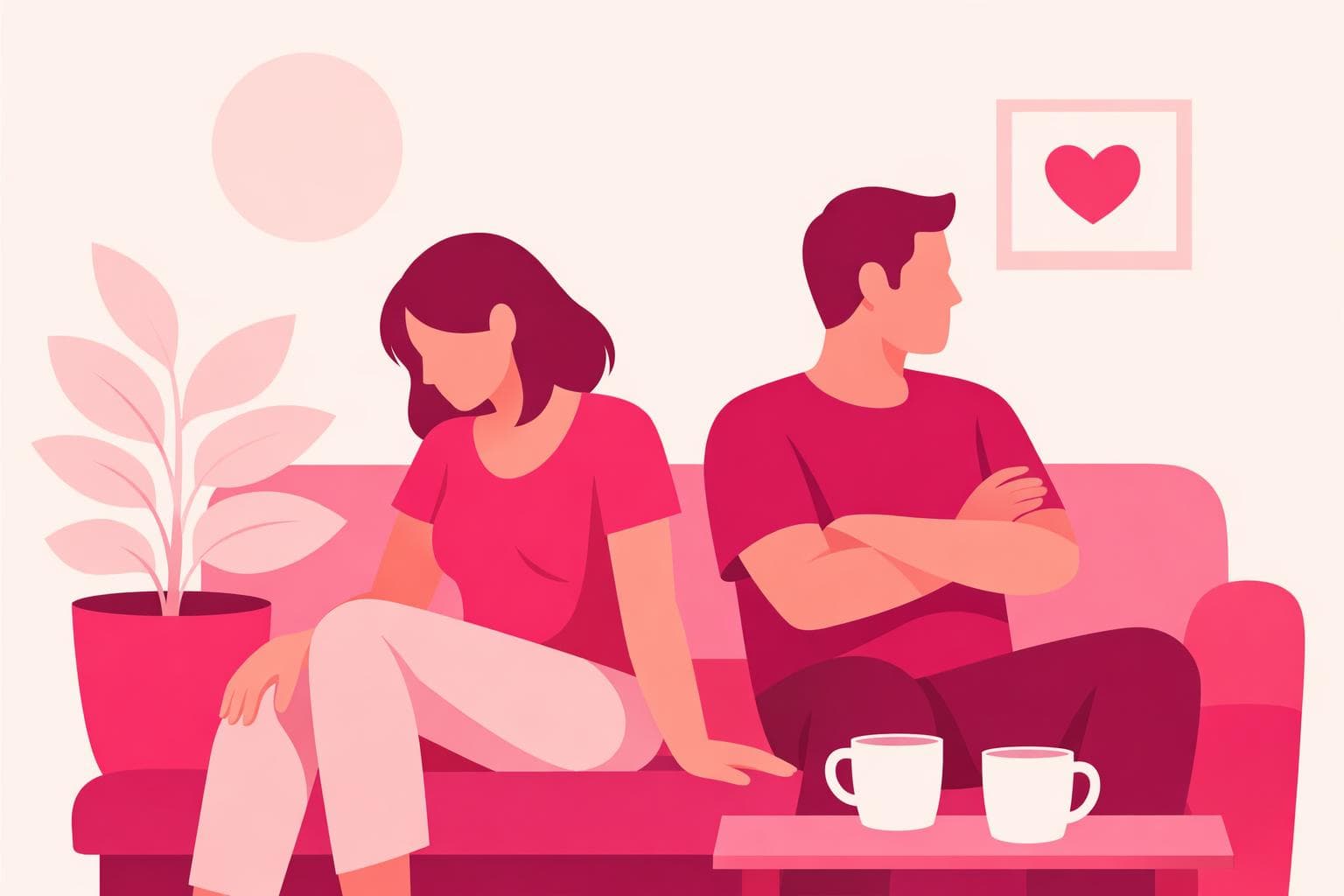
Losing yourself in motherhood often happens alongside or is accelerated by losing yourself in a romantic relationship. The two processes are distinct, but they frequently overlap and reinforce each other in ways that make it harder to see either clearly.
In Women Who Love Too Much (1985), therapist Robin Norwood described a pattern she observed repeatedly in her clinical work: women who consistently prioritized their partners' emotional states over their own, organized their lives around maintaining the relationship, and gradually gave up interests, friendships, and ambitions that existed before it. Norwood was careful to distinguish this from love — which she argued should expand a person, not diminish them.
The question worth sitting with: does this relationship partner, family, or both make you feel more like yourself or less?
How to recognize you've lost ground
Self-loss in relationships doesn't always look like obvious codependency. Sometimes it's quieter. Here are the signs that tend to appear first:
- Your opinions are increasingly shaped by what others want to hear. You hedge, agree, and soften more than you used to not from genuine change of mind, but from habit.
- You've stopped doing things you used to love. Not because life got busier, but because those things gradually felt less justifiable.
- You feel vaguely anxious when others are unhappy, even when it has nothing to do with you.
- You don't know how to spend unstructured time that isn't organized around someone else's needs.
- You describe yourself primarily in relational terms. You are someone's mother, someone's partner but struggle to complete the sentence when those roles are removed.
- You feel resentful but can't pinpoint why. The resentment doesn't attach to a specific event. It attaches to the accumulation.
If several of these feel familiar, you're not broken. You're in a very common place one that has a way forward.
What losing yourself costs (beyond your own wellbeing)
This is the piece that often surprises mothers: losing yourself is not, ultimately, a sacrifice that serves the people around you. It's a cost they pay too.
A 2020 study published in Family Process found that children of mothers who reported high levels of self-suppression consistently downplaying their own needs and emotions showed elevated anxiety and reduced emotional regulation compared to children of mothers who modeled healthy self-expression. The mother who never says what she needs, who has no visible inner life beyond her caregiving role, doesn't teach her children that love requires selflessness. She teaches them that people specifically women are supposed to disappear.
And in relationships, self-erasure rarely produces the closeness it's reaching for. As couples therapist Esther Perel puts it: you cannot truly desire someone you already have completely. Distinctness having your own opinions, interests, and interior life is not a threat to intimacy. It is the condition intimacy requires.
Which is why Why Intimacy Changes After Motherhood is such a useful companion read here. The distance that grows in many partnerships during the early years of parenting is often rooted in exactly this: two people who have stopped being legible to each other because they've stopped being legible to themselves.
Finding your way back: what actually helps
What doesn't work what does
Waiting until you "have time" to invest in yourself
Reclaiming small pockets of self now, even imperfectly
Hoping others will notice and give you space
Naming specifically what you need and asking for it
Trying to rediscover yourself all at once
Rebuilding through small, consistent acts of self-reference
Processing in isolation
Talking to a friend, a therapist, a community of other mothers
Believing the problem is selfishness
Recognizing self-erasure as its own kind of harm
The practical starting point is usually simpler than it feels: name one thing about yourself that has gone quiet. One interest, one opinion, one way of being in the world that existed before you became someone's mother or partner. Not to return to who you were that's not the goal but to bring that thread back into the present and weave it into who you're becoming.
"To love oneself is the beginning of a lifelong romance." - Oscar Wilde
That might sound like an indulgent idea in the context of school runs and dinner and the third wakeup of the night. It isn't. It's a survival skill, disguised as philosophy.
If what you've lost feels more like your fundamental sense of direction than a specific interest or hobby, How to Feel Like Yourself Again After Kids offers a more grounded entry point into that particular kind of rebuilding.
And if the barrier is less about knowing what to do and more about the guilt that surfaces every time you try to do it, How to Prioritize Yourself Without Guilt addresses the internal argument that tends to block everything else.
The self that was always there
Losing yourself in motherhood and relationships is not the end of the story. It is, for many women, the middle the uncomfortable, disorienting part before the reorientation that comes from finally taking your own existence seriously.
The self that went quiet didn't leave. It waited. And it is, even now, entirely available to you a little impatient, perhaps, but still there.
Further reading: Robin Norwood, Women Who Love Too Much (1985). Esther Perel, Mating in Captivity (2006). Harriet Lerner, The Dance of Intimacy (1989).
Frequently Asked Questions
- Why do I feel like I’ve lost myself after becoming a mother?
- Many mothers feel this way because caregiving can slowly shift all attention, time, and decision-making toward others. Over time, that can make it hard to recognize your own needs, interests, or sense of identity.
- Is it normal to feel disconnected from yourself in a relationship or marriage?
- Yes, it’s more common than many people admit. When a relationship becomes centered on keeping everything running smoothly, your own preferences and inner life can get pushed aside without you noticing right away.
- How do motherhood and caregiving affect identity?
- Intensive caregiving can create what researchers describe as a disruption in self-continuity, meaning the thread connecting you to who you were before feels weaker. This doesn’t mean you love your family less; it means your role has taken up so much space that your personal identity has become harder to access.
- What are signs that I’m losing myself in motherhood or relationships?
- Common signs include always deferring to others, feeling unsure what you actually want, losing interest in things that used to matter to you, or feeling irritated and emotionally numb. Some people also notice a vague grief or sense of emptiness they can’t easily explain.
- How can I start reconnecting with myself?
- Start with small choices that are fully yours, like making space for an interest, opinion, or routine that has nothing to do with other people’s needs. Rebuilding identity often begins by noticing what you think, want, and feel before automatically adjusting to everyone else.

a freelance writer and certified maternal wellness coach with a background in psychology and over two years of experience writing about motherhood, mental health, and relationships.