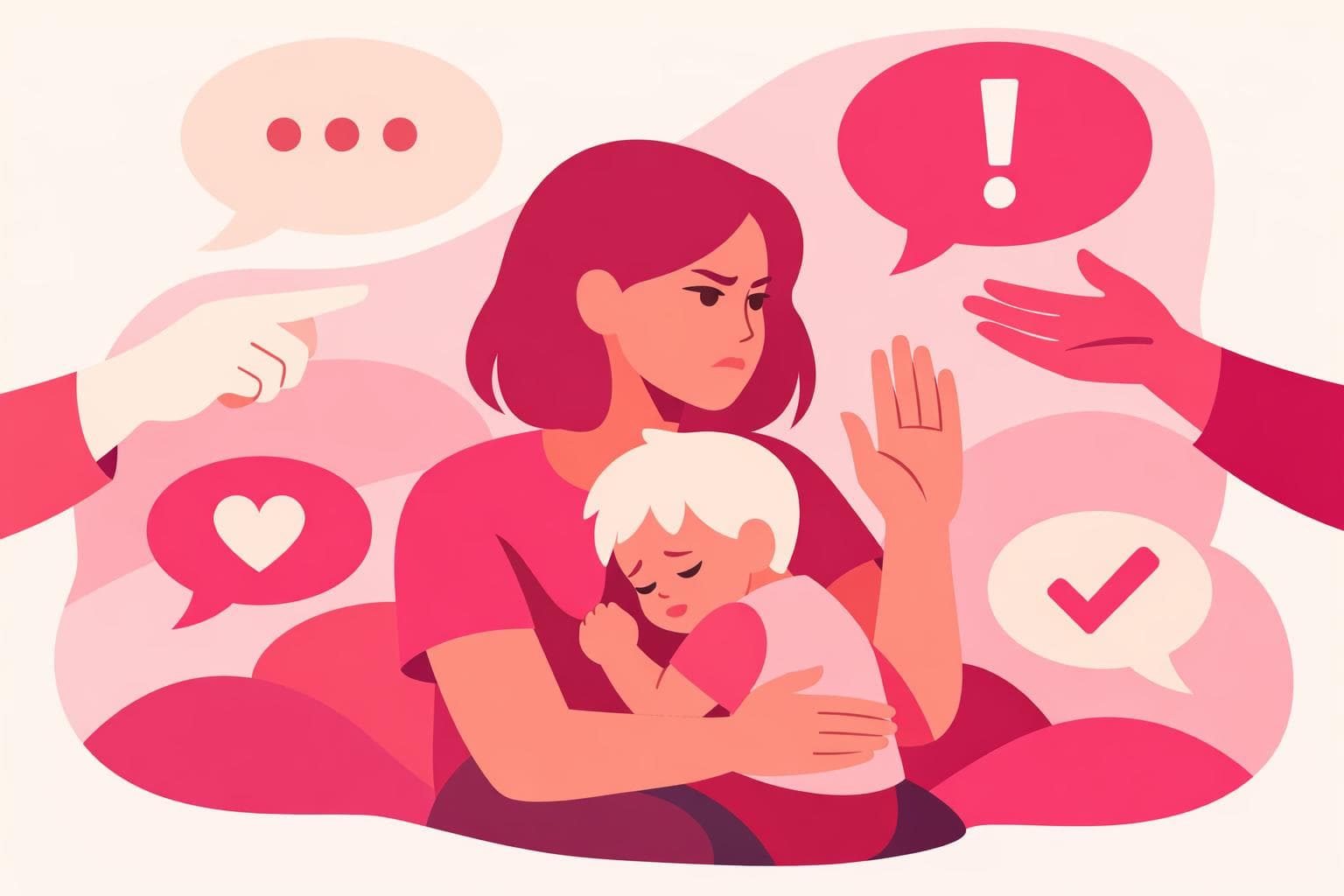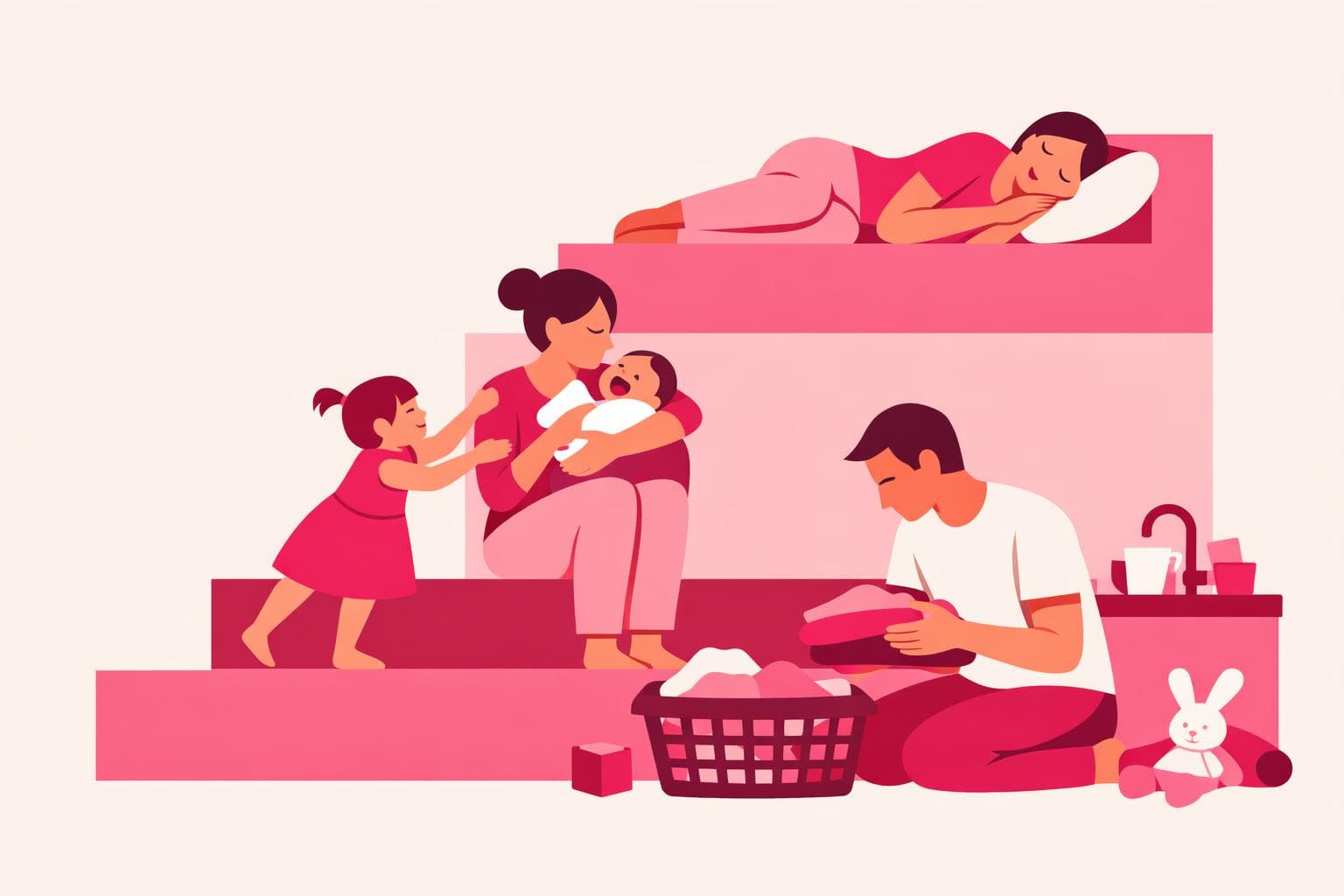
Why intimacy changes after motherhood
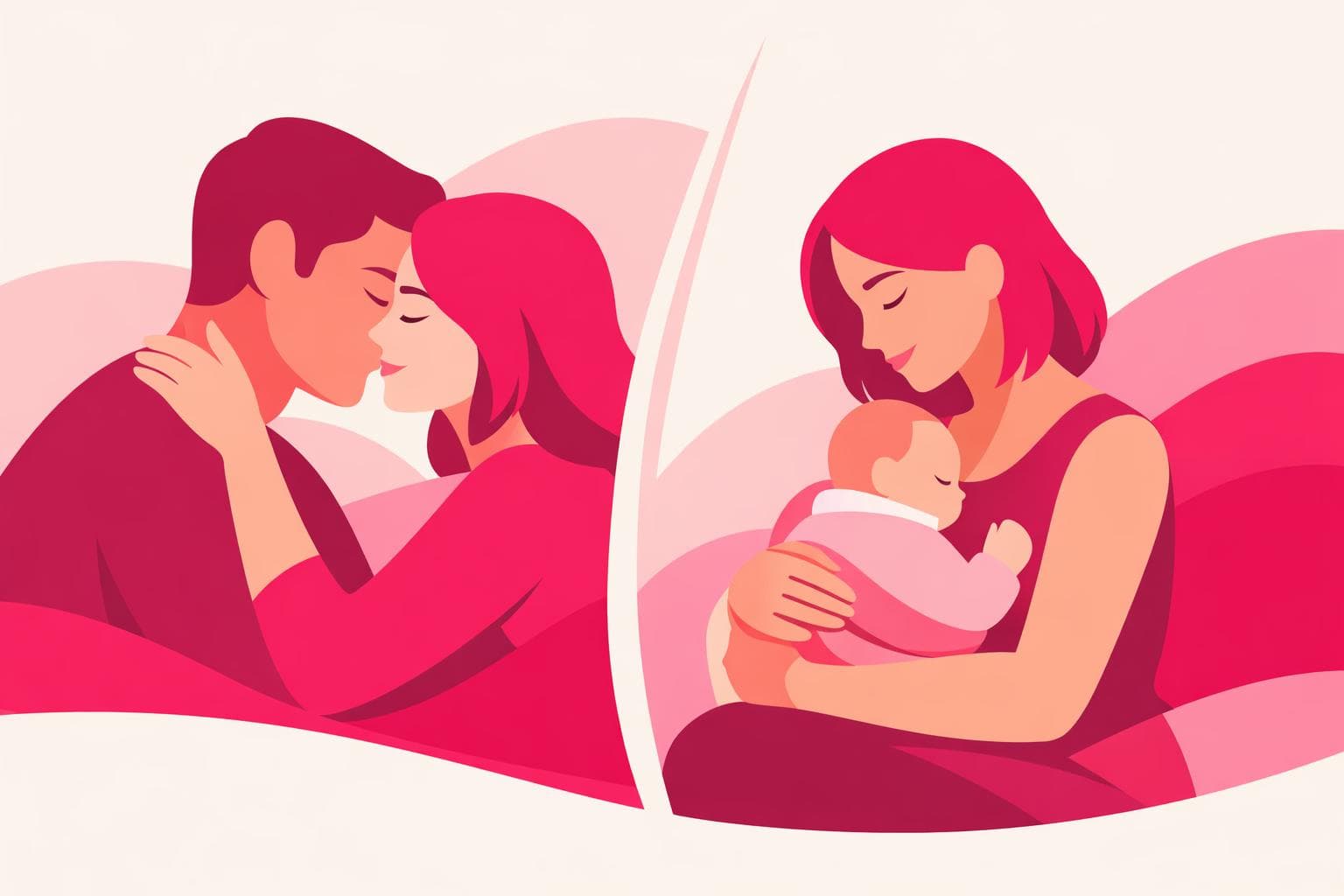
Nobody hands you a pamphlet at the hospital that says: by the way your relationship is about to go through something it has never been through before. They check your blood pressure. They show you how to swaddle. And then they send you home with a baby and a body you don't recognize, into a partnership that's quietly being rerouted from the inside out.
The changes to intimacy after becoming a mother are so common they're almost universal and yet they catch nearly every couple off guard. Not because the signs aren't there but because we've collectively agreed not to talk about them very honestly.
This is an attempt to fix that.
It's not just physical though it's also physical
Yes, postpartum recovery changes how your body feels and functions. Hormonal shifts after birth particularly the drop in estrogen during breastfeeding directly affect lubrication, libido, and vaginal tissue sensitivity. A 2020 study published in the Journal of Sexual Medicine found that up to 67% of women reported significant changes to sexual function in the first year postpartum, with many reporting those changes persisting well beyond the six-week "all clear."
But the physical piece is actually the easier part to name. What's harder to articulate is everything underneath it.
There's the identity shift the profound, disorienting experience of becoming someone's mother while still trying to remember who you were before. There's the touched-out feeling that comes from spending all day being physically needed by a baby, and arriving at evening with nothing left to give. There's the mental load, the sleep deprivation, the ambient anxiety of keeping a small person alive all of which land directly in the center of what intimacy requires: presence, openness, the ability to be somewhere other than survival mode.
If you've been feeling like you're carrying more than your share of that invisible weight, The Invisible Mental Load Moms Carry Every Day puts language to something that's often hard to name in the moment.
What research tells us about couples after baby
The data on relationship satisfaction post-baby is, honestly, sobering. A landmark study by John Gottman and Julie Schwartz Gottman who have spent decades researching what makes relationships work found that 67% of couples experienced a significant decline in relationship satisfaction within three years of having their first child. That's not a fringe finding. That's the majority.
The Gottmans identified several key factors that separated couples who maintained connection from those who drifted:
- Turning toward each other during small, everyday moments rather than only investing in big romantic gestures
- Expressing genuine appreciation regularly something that sounds minor until you realize how rarely it happens in the fog of new parenthood
- Maintaining friendship as the foundation, independent of romance
- Processing the transition together rather than each partner going through it in isolation
The couples who navigated early parenthood best weren't the ones who had the most date nights. They were the ones who talked about what was happening to them including the parts that were hard to say out loud.
The different ways intimacy changes after motherhood
Intimacy doesn't disappear after becoming a mother. It transforms sometimes in ways that are disorienting and sometimes in ways that are unexpectedly deepening. Here's how those changes tend to show up:
Type of Intimacy how it often shifts
Physical / sexual
Frequency typically decreases; desire and body image may shift significantly
Emotional
Can deepen or create distance, depending on communication
Intellectual
Often deprioritized under time pressure but missed when absent
Recreational
Shared activities frequently disappear in early parenthood
Spiritual / values-based
May strengthen through shared purpose of raising a child
None of these changes mean something is broken. They mean something is in transition. The problem isn't the transition. It's treating the transition as a permanent state without examining it.
What helps (and what doesn't)
There's a lot of advice floating around about "keeping the spark alive" that tends to focus on logistics: schedule date nights, buy lingerie, surprise your partner. Some of that is fine. Most of it misses the point.
What actually helps according to therapist and author Esther Perel whose work on desire and long-term relationships remains among the most nuanced in the field is curiosity. The willingness to stay interested in your partner as a changing person, not just as the co-parent standing across the kitchen from you.
"The quality of our relationships determines the quality of our lives. And desire needs space it cannot thrive in the constant proximity of obligation." — Esther Perel, Mating in Captivity (2006)
That space Perel talks about is exactly what early motherhood collapses. Which is why reclaiming any version of it even imperfect, even small matters more than any specific act of romance.
Practically speaking, what tends to move the needle:
- Naming what's happening having the actual conversation about how both partners are experiencing the shift, rather than waiting for it to resolve on its own
- Separating "not right now" from "not anymore" low libido or emotional withdrawal in the postpartum period is not a verdict on the relationship
- Finding non-sexual physical connection that isn't loaded with expectation a hand on a shoulder, sitting close, a long hug which can rebuild safety without pressure
- Getting external support if the distance feels too large to bridge alone; therapy is not a last resort, it's a resource
If you're in the harder stretch of that first year and wondering whether what you're feeling is within the range of normal, How to Survive the First Year of Motherhood Emotionally offers a compassionate map for exactly where you are.
The part worth holding onto
Here's what rarely makes it into conversations about postpartum intimacy: for many couples, the changes as painful and confusing as they are become the thing that pushes them toward a more honest, more intentional relationship than they had before.
Not because difficulty is romantic. But because navigating it together, imperfectly, with honesty and some willingness to stay curious about each other that is intimacy. Maybe the most real version of it.
The couples who come through this period often say the same thing: it was hard, and it changed us, and we're closer now than we were before. That's not guaranteed. But it is possible. And knowing it's possible is sometimes exactly what you need to keep going.
Further reading: Esther Perel, Mating in Captivity (2006). John M. Gottman & Julie Schwartz Gottman, And Baby Makes Three (2007). Emily Nagoski, Come as You Are (2015).
Frequently Asked Questions
- Why does intimacy change after having a baby?
- Intimacy often changes after motherhood because of a mix of physical, emotional, and lifestyle shifts. Hormonal changes, postpartum recovery, sleep deprivation, and the mental load of caring for a baby can all affect desire, comfort, and connection.
- Is it normal to have less sex drive after childbirth?
- Yes, a lower sex drive after childbirth is very common. Many women experience changes in libido during the postpartum period, especially while recovering, breastfeeding, or adjusting to the demands of motherhood.
- How do hormones affect intimacy after pregnancy?
- After birth, estrogen levels drop, and this can lead to vaginal dryness, lower lubrication, and increased sensitivity or discomfort. Breastfeeding can also keep estrogen low, which may affect desire and physical comfort during sex.
- Why do I feel too touched out for intimacy as a new mom?
- Being constantly needed by a baby can leave many mothers feeling physically and emotionally drained by the end of the day. That touched-out feeling can make closeness feel overwhelming instead of relaxing, even when you still care deeply about your partner.
- How long does it take for intimacy to feel normal again after having a baby?
- There is no single timeline for returning to normal, and for many couples it takes longer than the usual six-week checkup suggests. Intimacy often improves gradually as the body heals, sleep improves, and both partners adjust to new routines and expectations.

a freelance writer and certified maternal wellness coach with a background in psychology and over two years of experience writing about motherhood, mental health, and relationships.