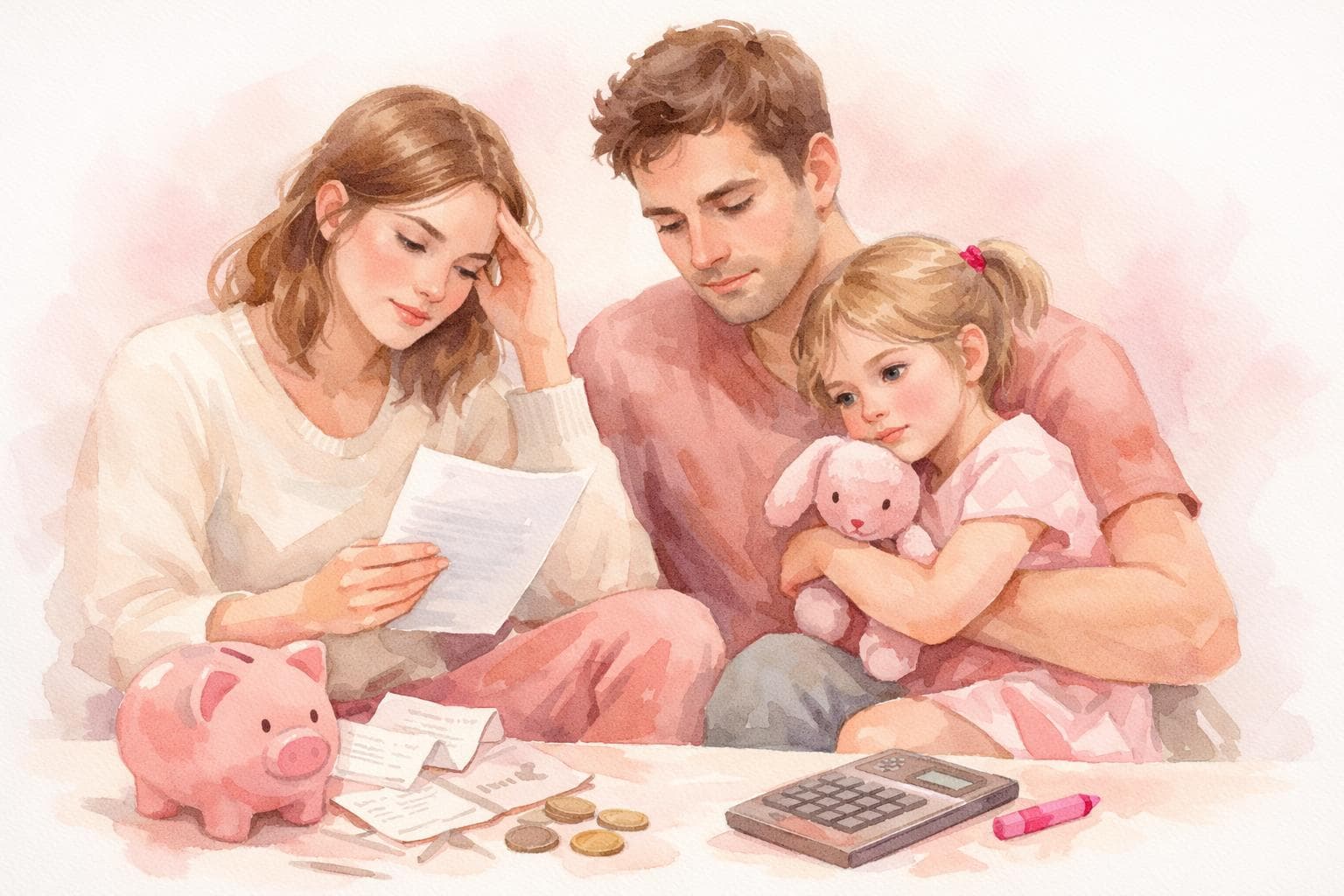
Nobody warns you properly. People mention the sleep deprivation and the nappies, but very few sit you down and say: having a baby will reshape your marriage in ways you won't see coming and some of them will hurt.
It's not that love disappears. Most couples still love each other deeply after becoming parents. But the relationship you built as two people shifts dramatically when a third tiny person arrives and demands everything you both have. And that shift, if left unspoken, can quietly erode the connection that brought you together in the first place.
The relationship you had before doesn't exist anymore
This sounds harsh, but it's freeing once you accept it. The couple who stayed up late talking, who travelled spontaneously, who had bandwidth for each other's bad days that couple operated in a completely different reality.
Parenthood introduces a new operating system. And most marriages struggle not because the love fades but because both partners are trying to run the old software on hardware that's been completely reconfigured.
Research from the Gottman Institute confirms what many couples feel but can't name: nearly 67% of couples experience a significant decline in relationship satisfaction within the first three years of their child's life. This finding, published in the Journal of Family Psychology (Shapiro, Gottman & Carrère, 2000), was based on a six-year longitudinal study of newlywed couples tracked through the transition to parenthood.
What typically changes after baby arrives:
- spontaneous quality time is replaced by logistical coordination
- physical intimacy decreases often sharply
- conversations shrink to schedules, feeding and who's more tired
- emotional needs go unspoken because there's simply no room
- resentment builds quietly over unequal workloads
If you recognise most of this list, you're not in a failing marriage. You're in a marriage adjusting to one of the biggest transitions two people can go through.
Having a baby doesn't break a good marriage. But it will expose every crack that was already there and create pressure where there used to be space.
The invisible scorecard
One of the most common patterns in marriages after children is silent scorekeeping. She knows she did three night wakings, packed the nursery bag, and booked the GP appointment. He knows he worked a ten-hour day, fixed the leaking tap, and took the baby for an hour so she could shower.
Both feel unappreciated. Neither says it directly. Instead it leaks out as snapping over dishes or a cold shoulder at bedtime.
This isn't pettiness. It's what happens when two exhausted people stop communicating needs and start tracking debts. An eight-year prospective study published in Journal of Marriage and Family found that relationship satisfaction consistently declined after the birth of a first child but the sharpest drops occurred in couples with poor communication patterns that predated the baby. Perceived fairness matters more than actual task division. It's not about who does more. It's about whether both partners feel seen.
Data from Pew Research Center reinforces the imbalance: 78% of mothers in opposite-sex couples say they do more than their partner when it comes to managing children's schedules and activities, and 65% say they do more when it comes to helping with homework. When the invisible work consistently falls on one person, the scorecard writes itself.
How mothers and fathers experience the shift differently
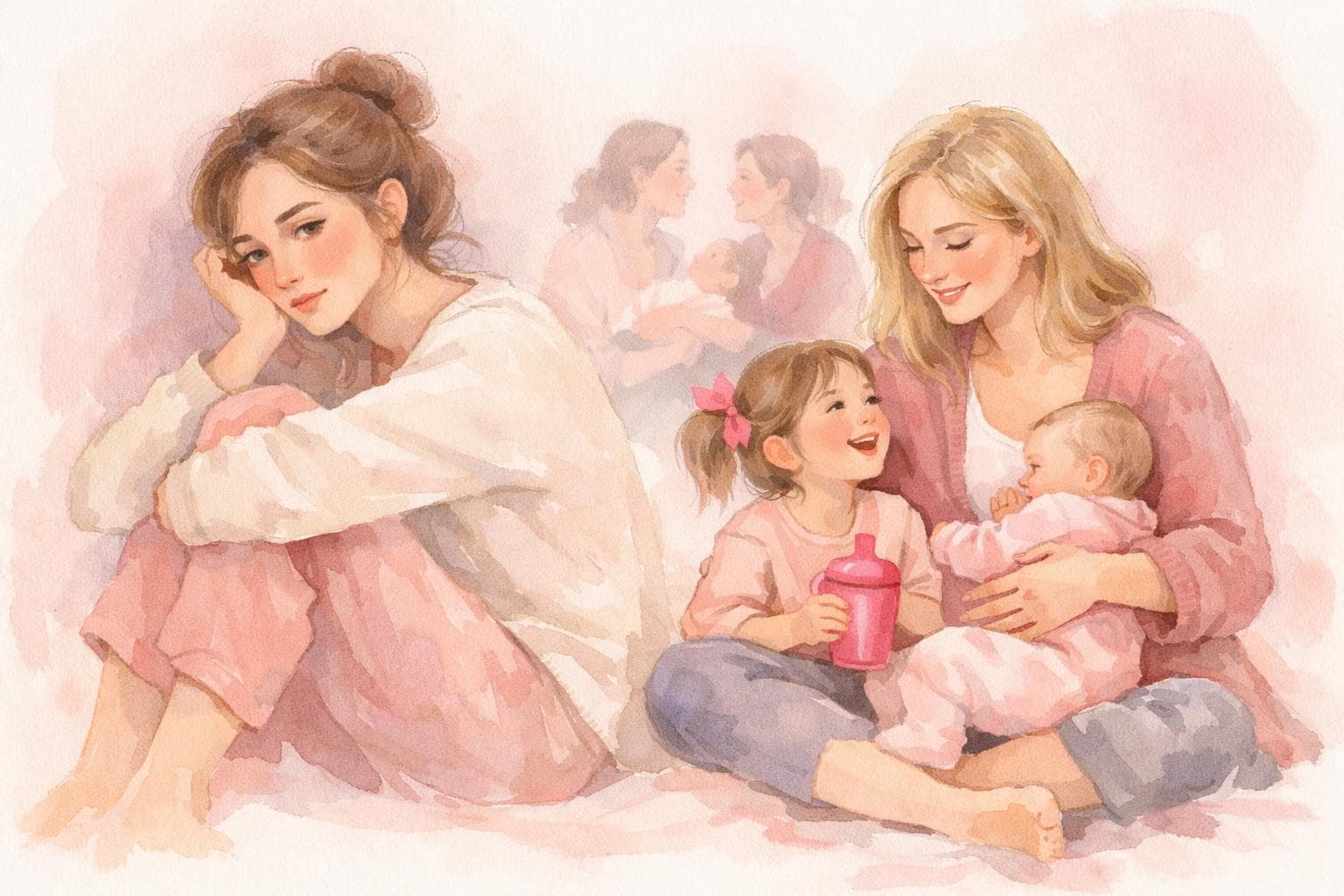
The postpartum period hits each partner differently and misunderstanding those differences fuels disconnection.
Mothers often feel fathers often feel
Touched out and physically depleted
Shut out of the mother-baby bond
Resentful of the unequal mental load
Unsure how to help "the right way"
Loss of identity beyond "mum"
Pressure to provide financially without complaint
Desperate for adult conversation
Lonely but unable to name it
Guilt for wanting time away from baby
Guilt for missing milestones at work
Neither column is more valid than the other. But when couples don't talk about these differences openly each partner ends up feeling alone inside a shared life.
A 2023 Pew Research Center survey of nearly 4,000 parents found that mothers are significantly more likely than fathers to describe parenting as stressful and 30% of mothers said it's been "a lot harder" than expected, compared to 20% of fathers. Meanwhile fathers were more likely to say they feel judged by their partner. Both are suffering but in different rooms of the same house.
What actually helps
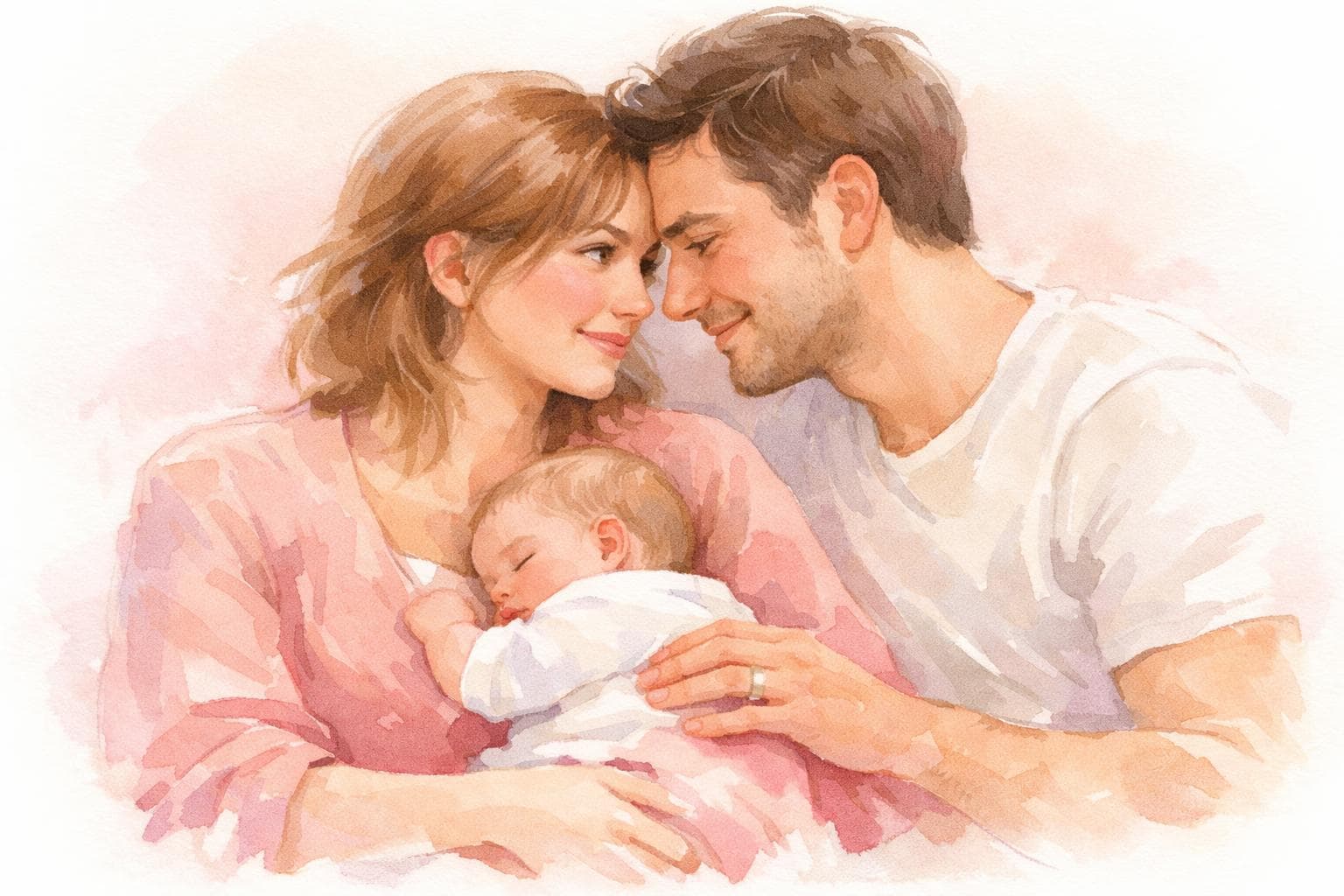
The good news is that marriages don't just survive parenthood many grow stronger through it. But that rarely happens on autopilot. It takes deliberate effort from both sides.
The Gottmans' research identified what the 33% of couples who stayed happy after becoming parents did differently: they maintained a strong friendship, practised healthy conflict management and tackled the demands of a newborn as a team. They had a sense of being "in the trenches together" rather than two ships passing in the night.
Small things that protect your marriage after kids:
- check in with each other daily, even if it's just two minutes after bedtime the Gottmans recommend open-ended questions like "How are you feeling about things?" rather than "Did you pay the phone bill?"
- say what you need out loud instead of waiting to be noticed
- stop competing over who's more tired you're both exhausted
- schedule connection even if it feels unromantic a standing wednesday evening chat counts
- touch each other without it needing to lead somewhere a hand on the back a forehead kiss
- laugh together whenever you can humour is underrated relationship glue
If the distance between you already feels too wide for small fixes, couples therapy isn't a sign of failure. It's two people deciding their relationship is worth investing in which is one of the most loving things you can do for your family. The Gottman Institute's Bringing Baby Home workshop, designed specifically for this transition, has been shown in clinical research to reduce postpartum mood disorders and relationship hostility in participating couples.
As renowned therapist Esther Perel writes: having a baby is a psychological revelation that changes your relationship to almost everything and everyone. The challenge isn't avoiding that change. It's navigating it together.
You don't need to get your old relationship back. You need to build a new one together that has room for who you've both become.
Your marriage deserves attention too
It's easy to pour every ounce of yourself into your child and assume your partnership will wait. And for a while it does. But no relationship can survive on leftovers indefinitely.
Your child benefits from parents who are connected, not just coexisting. Research consistently shows that marital conflict directly affects infant development including speech development, stress regulation and emotional security. Prioritising your marriage isn't taking anything away from your baby. It's giving them the foundation they'll learn to build their own relationships on.
Motherhood changes your marriage. That's inevitable. But whether it changes it for better or worse that part is still up to you.